Trump Administration Halts Intelligence Sharing with Ukraine
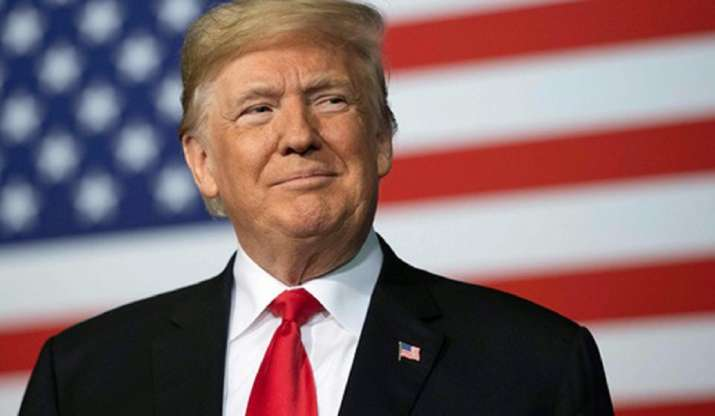
**In a significant shift in U.S. foreign policy, the Trump administration has reportedly halted all intelligence sharing with Ukraine, including crucial targeting data used to carry out attacks on Russian forces. CIA Director John Ratcliffe confirmed this cessation, asserting that the U.S. will no longer supply information that has been vital to Ukraine’s military strategy against ongoing Russian aggression.** This decision has raised concerns regarding the ability of Ukrainian forces to effectively defend themselves against missile strikes by Russia.
The suspension of intelligence sharing follows closely on the heels of the U.S. halting military aid to Ukraine earlier this week, leading to fears that this could further weaken Ukraine’s defense capabilities. Reports from Reuters suggest that this move was part of a broader strategy to compel Ukrainian President Volodymyr Zelensky to engage in peace negotiations with President Donald Trump. Ratcliffe emphasized the need for collaboration between the two leaders to promote stability in the region.
Zelensky’s Response and Potential Restart of Aid
In response to the administration’s pressure, President Trump announced that he received a letter from Zelensky expressing Ukraine’s willingness to engage in peace talks. This development indicates a potential shift in dynamics, as both sides prepare to sit down to negotiate a resolution to the ongoing conflict. Ratcliffe communicated to Fox Business Network his belief that the cessation of military aid and intelligence sharing would soon come to an end as efforts ramp up to combat Russian aggression. He stated, “We must push back the aggression there while also bringing the world to a better place for peace talks to advance.”
National Security Advisor Mike Waltz echoed this sentiment in an interview with Fox, confirming that should peace talks take place and certain confidence-building measures be established, the President may reconsider resuming aid to Ukraine. Sources familiar with the situation indicate that the halt in intelligence sharing was significant, with one informant revealing that operations had been fully halted, while another mentioned the cut was “partial” without elaborating further. Meanwhile, escalating tensions were underscored by reports of a Russian strike on a Ukrainian training base, highlighting the continuing volatility of the situation.
The Stakes of Intelligence Sharing and Military Support
The implications of the U.S. halting intelligence sharing with Ukraine are profound, potentially affecting the course of the conflict as Ukrainian forces confront Russian military operations. Intelligence sharing has been a cornerstone of the U.S.-Ukraine partnership, enabling effective planning and execution of military strategies against adversaries. The sudden suspension raises critical questions about Ukraine’s defense capabilities in light of heightened Russian threats.
As these diplomatic and military discussions unfold, it remains to be seen how quickly and effectively the U.S. will reinstate support for Ukraine. The administration’s approach appears focused on diplomatic engagement, yet any delay in restoring military assistance could have dire consequences for Ukraine’s ongoing efforts to stabilize its defenses against Russian incursions.
The Road Ahead for U.S.-Ukraine Relations
Looking ahead, the path for U.S.-Ukraine relations will largely depend on the outcomes of the proposed peace negotiations and the willingness of both parties to engage in constructive dialogue. Analysts suggest that the restoration of intelligence and military support hinges not only on diplomatic talks but also on broader geopolitical calculations involving Russia and its aspirations in Eastern Europe.
As the situation evolves, the focus will remain on the international community’s response to both the potential peace negotiations and Russia’s persistent military activities. The coming weeks will be critical in determining the balance between diplomatic efforts and military readiness, as the U.S. navigates its role in supporting Ukraine amidst ongoing tensions.