Russian Su-35 Intercepts French Drone Over Mediterranean
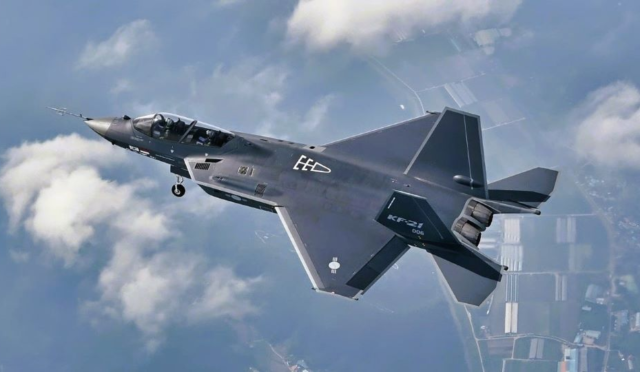
**A Russian Su-35 fighter jet has reportedly intercepted a French MQ-9 Reaper drone that was conducting surveillance over the Eastern Mediterranean. The incident was confirmed by French Defense Minister Sébastien Lecornu, who stated on Tuesday that the French drone was harassed by the Russian aircraft during its operation in international airspace. This encounter arises amidst growing concerns regarding the U.S. commitment to European defense, especially as European nations enhance their defense expenditures and bolster support for Ukraine against Russian aggression.
Minister Lecornu detailed the situation in a post on his official X account, mentioning that the Russian warplane executed three close passes near the French drone. He emphasized that such actions reflected a deliberate attempt to restrict free air movement in shared airspace, potentially putting the drone’s control at risk. He described this conduct as “unacceptable, intentional, unprofessional, and aggressive.” In his statement, Lecornu insisted that France remains committed to defending the freedom of navigation in both aerial and maritime domains, though he did not specify the exact location of the incident in the Eastern Mediterranean.
Details of the Incident
Reports indicate that on March 4, 2025, the Russian Su-35 showcased perilous maneuvers towards the French Reaper drone, which was on a routine surveillance mission. During the encounter, the Russian jet reportedly approached the drone multiple times at dangerously close distances, which could have compromised the drone’s stability in flight. Such aggressive actions exacerbate ongoing tensions between Russia and Western nations, highlighting the strategic significance of ensuring freedom of air and sea navigation.
This incident is part of a broader pattern of confrontations between Russian and Western military aircraft, each seemingly aiming to assert control over international airspace. The frequent recurrence of these types of incidents raises concerns about safety in air operations, especially given the lack of robust communication between rival air forces. As geopolitical tensions remain high, these interactions underscore the urgency of establishing clear protocols and boundaries to avert potential diplomatic crises.
Implications for International Relations
The ongoing tensions illustrated by this incident signal a worrying trend in international military engagements. The lack of effective communication between Russian and Western powers increases the likelihood of miscalculations that could spiral out of control. As the world watches, the imperative for establishing comprehensive communication frameworks becomes increasingly evident to mitigate risks and manage disputes effectively.
In the current geopolitical landscape, characterized by volatility, it is critical to prioritize dialogue and establish agreements that ensure the safety of aerial operations over shared territories. Failure to do so may lead to further escalations and deepen divides between Russia and its Western counterparts, exacerbating existing frictions. Protecting air and maritime freedoms will remain a pivotal issue as nations navigate this challenging environment.