A Look into the Royal Thai Navy’s Future Fleet
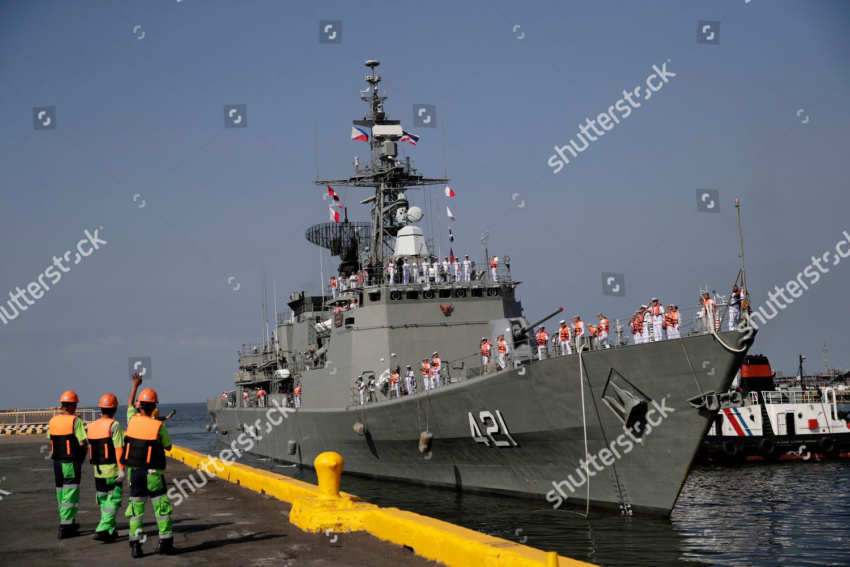
**On February 6, 2025, ASFAT made significant strides in naval defense cooperation by presenting proposals for ADA-class corvettes and ISTIF-class frigates to the Royal Thai Navy.** This presentation, which took place at the Naval Operations Department, aimed to align with the Royal Thai Navy’s strategic move to modernize its fleet. Collaborating with United Defense Technology of Thailand, ASFAT outlined the advanced capabilities of these vessels, emphasizing the potential for technology transfers and domestic production.
The Royal Thai Navy is expected to acquire four new frigates as part of their modernization efforts. Of these, the initial two vessels are earmarked for domestic construction, reflecting a commitment to fostering local defense industry capabilities. Government and parliamentary approval for funding of this project is anticipated during the 2026 fiscal year, serving as a crucial step towards enhancing the navy’s operational efficiency.
International Competitors in the Naval Tender
The tender for the Royal Thai Navy’s new frigates has attracted global interest from several key players in the defense industry. In addition to ASFAT, South Korea’s Hanwha Ocean has shown interest, which adds competitive dynamics to the procurement process. Other contenders include Germany’s ThyssenKrupp Marine Systems, which proposes the MEKO A-100 design in partnership with Thailand’s Marsun company.
Moreover, the UK’s Babcock International has submitted a proposal for the Arrowhead 140 frigate, while the Netherlands’ Damen Shipyards has presented the SIGMA class design. Each of these firms is actively seeking local partners to strengthen their bids and ensure alignment with Thailand’s naval needs.
Setting Technical Specifications
The Royal Thai Navy is poised to make critical decisions regarding the technical specifications of the new frigates between June and July 2025. This period is expected to be pivotal in determining the final selection of the vessels, marking an important milestone in the modernization initiative.
Such specifications will dictate not only the operational capabilities of the new frigates but also their integration into Thailand’s existing naval framework, enhancing overall maritime security and operational readiness.
The Growing Appeal of the MILGEM Program
Turkey’s MILGEM program has been gaining international traction, with several countries turning to these advanced vessels for their naval capabilities. For instance, the Pakistan Navy has procured four ships under the BABUR class, some of which have been produced locally in Pakistan.
Additionally, Ukraine has acquired two vessels from the Hetman Ivan Mazepa class. Meanwhile, the Royal Malaysian Navy is set to receive three vessels as part of its LMS Batch 2 project. These agreements underline Turkey’s expanding presence in Southeast Asia and its strategic partnerships, including potential cooperation with Thailand.
Leadership Changes at ASFAT
In line with these developments, there has been a notable nomination to the General Directorate of ASFAT. This change in leadership could influence future strategic decisions and partnerships as Turkey seeks to bolster its defense export portfolio and foster closer ties with Southeast Asian nations.
The evolving landscape of naval defense cooperation highlights the importance of adaptive strategies within ASFAT and its partners, aligning with regional security dynamics and the Royal Thai Navy’s modernization efforts.