North Korea Military Modernization: Kim Jong Un’s Vision
**During a recent visit to the Kang Kon Military Academy, North Korean leader Kim Jong Un emphasized the urgent need to build a robust and modern military capable of addressing any potential conflict.** This statement was reported by North Korea’s state media, KCNA, on February 26. His visit coincided with North Korea’s recent military support to Russia, which included sending munitions and thousands of soldiers to aid in its ongoing conflict in Ukraine.
While at the academy, Kim also made a stop at Kim Il Sung University, where he called on military personnel to demonstrate unwavering loyalty and readiness for sacrifice. He criticized the academy’s management and the overall state of educational facilities, claiming they had not met the necessary standards for modern military training. Kim asserted that his party had failed to achieve the ‘modernity and advanced character’ required to develop a formidable army.
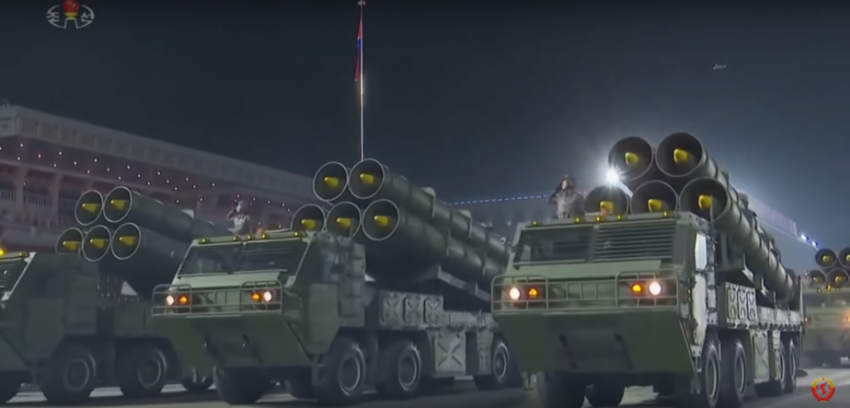
Kim outlined specific tasks aimed at modernizing the military’s training facilities and enhancing practical education, enabling students to gain firsthand experience in contemporary warfare and become proficient in advanced weaponry and technology. He noted the heightened aggressiveness of imperialist forces globally, which, according to him, necessitates armed forces that are fully prepared for any war scenario.
In light of these developments, South Korean officials have raised concerns that North Korea’s involvement in the Russian conflict could provide valuable battlefield experience, equipping them with insights into modern military operations. South Korean intelligence suggests that Kim’s frequent military inspections and training sessions might be laying the groundwork for additional troop deployments to Russia.
In stark contrast, Ukrainian sources have reported significant casualties among North Korean soldiers, with over 3,000 confirmed dead or wounded by the early part of January this year. This situation raises questions about the effectiveness and sustainability of North Korea’s military involvement abroad.
As Kim Jong Un continues to oversee military exercises back home, on March 7, 2024, the focus on modernization and preparedness remains a top priority for the regime. The implications of these developments could have wide-ranging effects on regional security dynamics.