KC-46A Pegasus Issues: Ongoing Problems in the Program
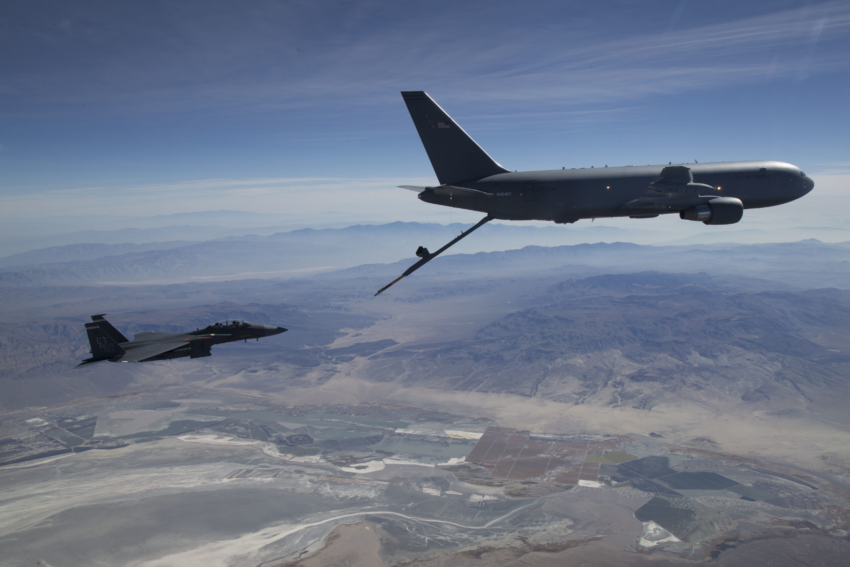
**The U.S. Air Force is set to conduct a thorough review of its entire fleet of KC-46A Pegasus aerial refueling aircraft, manufactured by Boeing. This critical decision follows the discovery of cracks in two of the four new aircraft intended for delivery to the U.S. Military Delivery Center. As a result, all deliveries of the KC-46 to both the United States and Japan have been temporarily suspended pending a comprehensive investigation into these alarming issues.**
If further cracks are identified during Boeing’s inspections, the affected aircraft will not be permitted to fly until they undergo extensive repairs. According to a report from The War Zone, the cracks are not located on the aircraft’s flight surfaces or hinges; instead, they are found in the primary or secondary structures of the aircraft. Boeing’s statement emphasized their commitment to collaborating closely with the customer to evaluate the potential issues with the KC-46A and to minimize any impacts on the fleet and production.
The 2024 Fiscal Year Defense Operational Test and Evaluation (DOTE) Report has highlighted that the KC-46A fails to meet numerous operational criteria. The report indicates that the aircraft’s operational availability and mission readiness rates fall significantly short of the desired levels. Moreover, when accounting for aircraft that can only partially fulfill missions due to issues such as fuel boom failures, the effective mission capability rate declines by an average of 24%.
Problems regarding the KC-46A Pegasus Program surfaced even before the aircraft’s first delivery, which occurred in January 2019—years later than initially planned. The program has been plagued by persistent issues related to the Remote Vision System (RVS), which operators rely on to manage fuel transfers, alongside complications with the boom system that supplies fuel to other aircraft. Boeing is in the process of implementing an update that encompasses both hardware and software modifications to address the boom system’s problematic hard contact during refueling operations.
In addition, a completely new version of the RVS system is being integrated into the tanker aircraft. This decision was made after it was established that the original RVS posed safety risks and could cause discomfort for operators. Notably, in March 2024, a two-month delay in deliveries was experienced due to a failure involving a part from the fuel boom. An inspection of the production line revealed a break in the gimbal nut lock wire, which plays a crucial role in directing the fuel boom.
These ongoing difficulties have resulted in substantial financial repercussions for Boeing. In a statement released in January 2024, the company disclosed that it incurred a staggering loss of $800 million in the fourth quarter, primarily due to unexpectedly high production costs associated with the Pegasus Program. Given the fixed-price nature of the KC-46A contract, Boeing is now facing potential losses amounting to billions of dollars on this venture.
The challenges facing the KC-46A program have dealt another severe blow to an initiative originally designed to replace the aging KC-135 tanker fleet, which has been operational since the 1950s. The recent retirement of the last KC-10 Extender refueling aircraft in September 2023, coupled with the current setbacks in the Pegasus Program, is creating a notable void in the U.S. aerial refueling capabilities. In light of these circumstances, the U.S. Air Force is also moving to reduce its overall inventory.