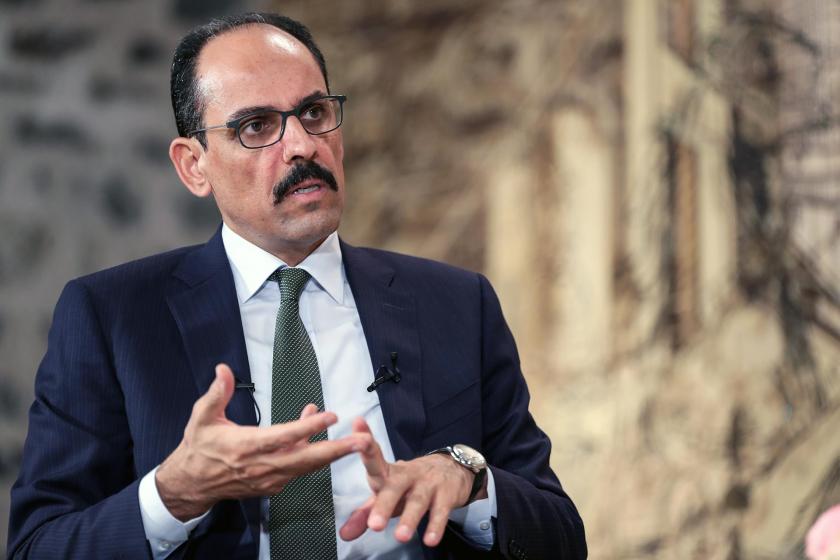
Turkish Intelligence Chief Briefs Parliament Parties on Five-Stage “Terror-Free Türkiye” Plan, Signals Need for Reintegration Law for Disarmed PKK Members
According to a report by journalist İsmail Saymaz, Ibrahim Kalın, the head of Turkey’s National Intelligence Organization (MİT), has informed political party representatives in the Turkish Grand National Assembly (TBMM) that the government’s five-stage “Terror-Free Türkiye” plan has reached the disarmament phase. Kalın expressed expectations for the formation of a parliamentary commission to draft a reintegration law—commonly referred to as a “homecoming law”—for surrendering members of the outlawed PKK (Kurdistan Workers’ Party), considered a terrorist organization by Turkey, the EU, and the U.S.
In his article for Halk TV, Saymaz detailed Kalın’s recent closed-door meetings with parliamentary party leaders, during which the intelligence chief projected a slide presentation outlining the five stages of the process. Kalın reportedly stated that Turkey is currently at the fourth stage—disarmament—and aims to achieve the full demilitarization of the PKK by the end of this year.
Kalın emphasized that the surrendering group includes high-ranking members of the PKK. For example, he mentioned Bese Hozat, co-chair of the PKK’s umbrella organization KCK, who “arrived as a leader and returned as a member of the Peace and Democracy Group.”
He noted that some PKK bases and hideouts have already been abandoned and cleared by state forces. On the contentious issue of dialogue with Abdullah Öcalan (also known as “Apo”), the jailed PKK founder imprisoned on İmralı Island, Kalın said there have been no negotiations over constitutional matters—only discussions on ending armed struggle.
The Five Stages of the Plan
Saymaz outlined the five-stage “Terror-Free Türkiye” process as conveyed by Kalın:
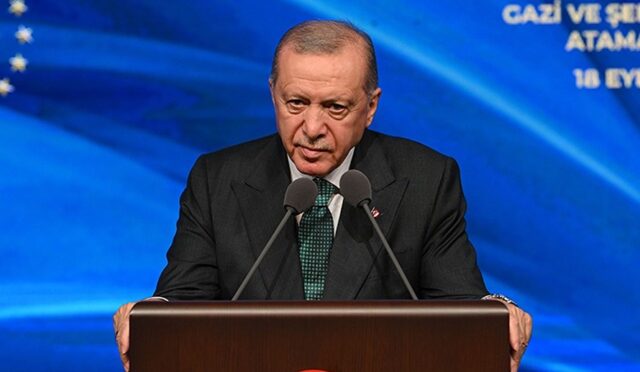
- Internal Unity Messaging – President Recep Tayyip Erdoğan emphasized national solidarity during a speech on August 26, 2024, in Ahlat (a historically symbolic town in eastern Turkey). Separately, Nationalist Movement Party (MHP) leader Devlet Bahçeli made a controversial call on October 22, suggesting that if Öcalan could convince the PKK to disarm, he might be eligible for a “right to hope” (a veiled reference to possible improved prison conditions).
- İmralı Visit & Öcalan’s Call – A delegation from the pro-Kurdish DEM Party (formerly HDP) visited Öcalan, who reportedly issued a call for peace and democratic participation on February 27, 2025.
- PKK’s Dissolution Congress – The group is expected to hold an internal congress formally announcing its dissolution.
- Disarmament – The phase currently underway, targeting full disarmament by year’s end.
- Organizational Disbandment – The complete dismantling of the PKK’s armed and political infrastructure.
Kalın indicated that once disarmament is complete, legal infrastructure must be established to reintegrate former militants. “Our main expectation from the parliamentary commission is the reintegration law,” he said, emphasizing the need for maximum political participation in the process. “We’ve advanced the disarmament phase. Now we need a legal foundation for returning members. After that, we can begin political dialogue on resolving the Kurdish issue,” Kalın added.
Sensitive Political Reactions
Saymaz also reported that the DEM Party insisted on the inclusion of the main opposition Republican People’s Party (CHP) in the proposed commission. However, the nationalist İYİ (Good) Party has reportedly declined to participate.
In meetings, party representatives also raised concerns about ongoing prosecutions of prominent opposition figures. One asked, “If you’re trying to reinforce national unity, isn’t undermining it on the other hand contradictory? It poisons the process and erodes public trust,” referencing the politically charged cases of Selahattin Demirtaş (jailed former HDP co-chair) and Ekrem İmamoğlu (Istanbul’s opposition mayor facing legal challenges). Kalın did not comment in depth, simply responding, “This is a political matter.”
On Syria
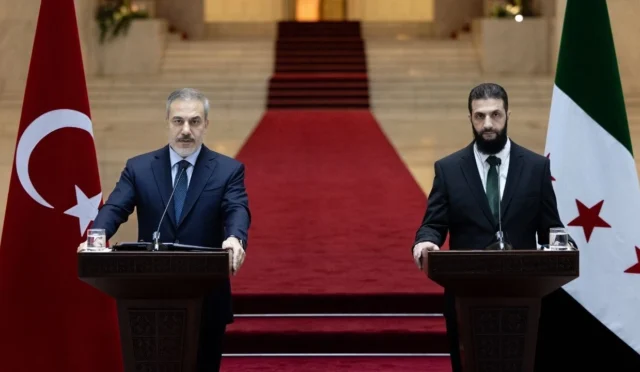
Another major topic was Syria. Kalın reportedly dismissed the idea of regional autonomy (a model favored by Kurdish factions like the PYD/YPG, which Turkey views as linked to the PKK). Instead, he advocated for “enhanced local governance” and suggested the PYD should be integrated into the Syrian state structure through engagement with Damascus.