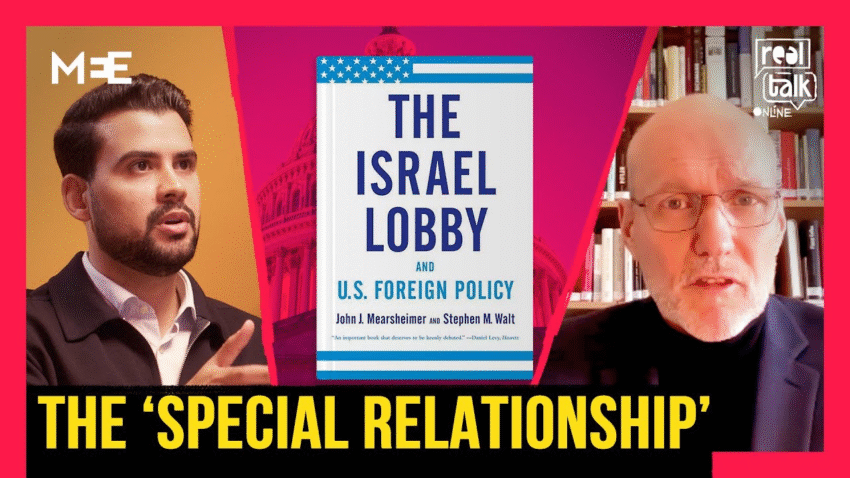
The Scope of Israeli Lobby Influence in American Politics
**For decades, the Israeli lobby has wielded significant influence over the political and social landscape of the United States. This influence has often been leveraged not only to promote policies beneficial to Israel but also to foster a climate of Islamophobia, effectively stifling dissent regarding America’s contentious Middle Eastern strategies.** As awareness of Israel’s controversial military actions grows, the U.S. government appears to be extending its efforts to curb free speech, particularly within major universities, traditionally seen as strongholds of liberal thought.
The Trump administration’s actions illustrate this trend. Once free from significant oversight, institutions like Harvard University have begun to impose restrictions against criticism of Israeli policies under the pretext of combating anti-Semitism. A notable incident involved Trump’s decision to freeze $2.2 billion in federal grants; such measures have raised alarm regarding the implications for academic freedom and open discourse.
The Ethics of Criticism and Human Rights
Criticism directed toward a foreign government or its policies should never be equated with racism. In fact, pointing out Israel’s military operations, which have reportedly resulted in the deaths of numerous innocent civilians, particularly women and children, is not only a legitimate act of expression but a moral necessity. As citizens, Americans have the right and duty to engage in discussions about the actions funded by their tax dollars.
The suppression of this debate not only undermines American civil liberties but also tarnishes the country’s global standing and undermines the democratic process. The decision to support Israel without question has resulted in a profound moral and financial burden that impacts the U.S. ability to address more pressing international threats, such as China’s emergence as a global power.
Lobbying Dynamics and Political Control
While tensions between Trump and Israeli Prime Minister Netanyahu are well-documented, the dynamics within the U.S. Senate and Congress reveal a different narrative, one still largely influenced by pro-Israel lobbying groups such as AIPAC. These organizations actively engage with U.S. lawmakers, ensuring that they adhere to policies favorable to Israeli interests.
The revelations surrounding the Jeffrey Epstein scandal have further complicated this relationship. Allegations of involvement by various members of the political elite in illicit activities connected to individuals associated with Israeli intelligence raise serious ethical questions about the extent of control and leverage exercised by the Israeli lobby over American politicians.
Implications for American Foreign Policy
The implications of unwavering support for Israeli policies are dire. Unless the current administration confronts the existential challenges posed by unquestioned Zionist influence, America risks remaining trapped within a cycle of political paralysis. This stagnation inhibits the country’s ability to respond to evolving global dynamics.
To adapt effectively, a reassessment of foreign policy that recognizes the complexity of international relations is imperative. The United States must move beyond the influence of the Israeli lobby to engage with a multifaceted world, avoiding the pitfalls of historical allegiances that no longer serve its national interests.