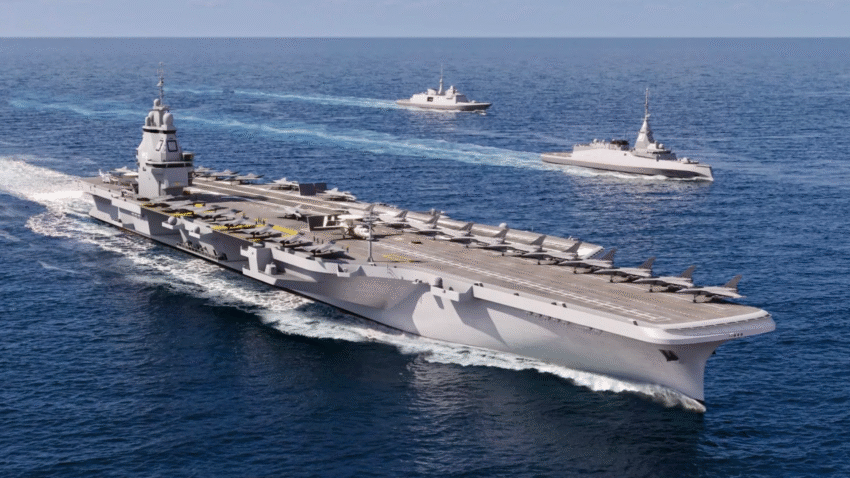
Turkey and Spain Join Forces for Europe’s Largest Aircraft Carrier
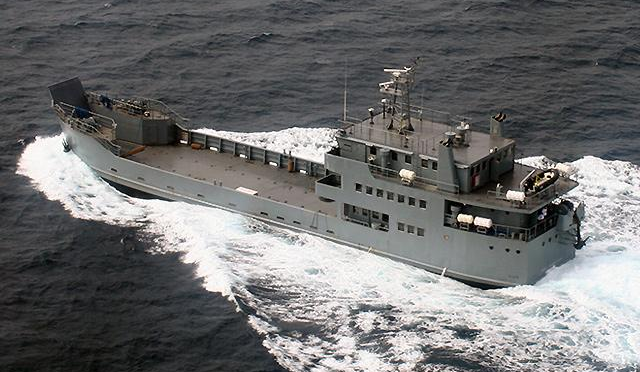
**Turkey and Spain are teaming up to construct Europe’s largest aircraft carrier, a remarkable 984-foot vessel, at shipyards located in Istanbul.** The ambitious project, supported by Turkey’s robust defense industry, was officially announced by the Turkish Defense Industry Agency (SSB) on July 3. This joint endeavor, which also involves the Spanish shipbuilder Navantia, aims to create a supercarrier that will compete with those of the United States and China. This move not only signifies Turkey’s aspirations to bolster its influence in the Mediterranean and Black Sea regions but also marks a substantial step forward in European defense capabilities.
The development of this aircraft carrier underscores Turkey’s growing defense capabilities, particularly in collaboration with Spain, a NATO ally that has previously been cautious about increasing its defense budget. At a recent NATO summit in The Hague, all European NATO members, with the exception of Spain, consented to boost defense expenditures to 5% of GDP amidst escalating concerns regarding Russia’s resurgence. Spain’s strategy of reinforcing its naval power through this collaboration reflects its unique position; feeling less threatened by tensions in Eastern Europe, the nation seeks to enhance its military presence without the necessity for significant hikes in defense spending.
Strengthening NATO Ties and Regional Positioning
This partnership not only strengthens Turkey’s defense sector but also amplifies its significance within NATO, especially in relation to Spain, which seems less fully committed to NATO’s collective defense goals. By joining forces with Turkey, Spain not only gains a strategic ally but also supports the emergence of a crucial NATO member in southern Europe. This alliance could shift power dynamics within NATO, highlighting Turkey’s role as an essential contributor, particularly as European nations reassess their military budgets and capabilities.
Furthermore, Turkey’s ambitions extend beyond this maritime collaboration. The nation is actively modernizing its military amidst ongoing territorial disputes with Greece, Russia, Israel, and Egypt over vital maritime resources. By redirecting Spanish support towards its defense objectives, Turkey positions itself as a pivotal yet potentially contentious figure within NATO. In the coming decade, this initiative could see Turkey emerge as a dominant power in southern Europe and the Middle East, potentially reshaping regional dynamics in a manner reminiscent of the historical influence of the Ottoman Empire.
Navigating New Defense Challenges in Europe
As Turkey and Spain advance with this project, it reflects broader shifts in European defense strategies. The need for stronger military cooperation among NATO members is becoming increasingly evident, particularly in light of escalating global tensions. This aircraft carrier initiative not only serves to enhance Turkey’s military capabilities but also to create a more cohesive defense posture among European allies. The interplay of national interests, particularly in the Mediterranean region, necessitates a united front against emerging threats.
In addition, Spain’s participation symbolizes a strategic recalibration within NATO, where member nations are reevaluating their defense priorities due to changing geopolitical landscapes. This collaboration is likely to set a precedent for future partnerships among NATO countries, highlighting the importance of joint projects in addressing both regional and global security challenges. As the aircraft carrier nears completion, its impact on Europe’s defense capabilities will be closely monitored, potentially influencing defense policies across the continent.
The Broader Implications for European Defense
The construction of Europe’s largest aircraft carrier by Turkey and Spain is more than just a military project; it signifies a pivotal moment in European defense collaboration. As nations face the reality of modern warfare and shifting alliances, this partnership could inspire similar initiatives among NATO members. The supercarrier, designed to operate in key strategic areas, will bolster both Turkey and Spain’s maritime capabilities and could serve as a deterrent against potential threats in the region.
Moreover, this project may encourage a rethinking of defense expenditures among European nations. As Spain embraces this collaboration without boosting its military budget significantly, it could influence other NATO members to adopt similar strategies. The outcome of this aircraft carrier project might very well reshape the future of military alliances and defense strategies in Europe, setting a new standard for cooperative defense efforts.